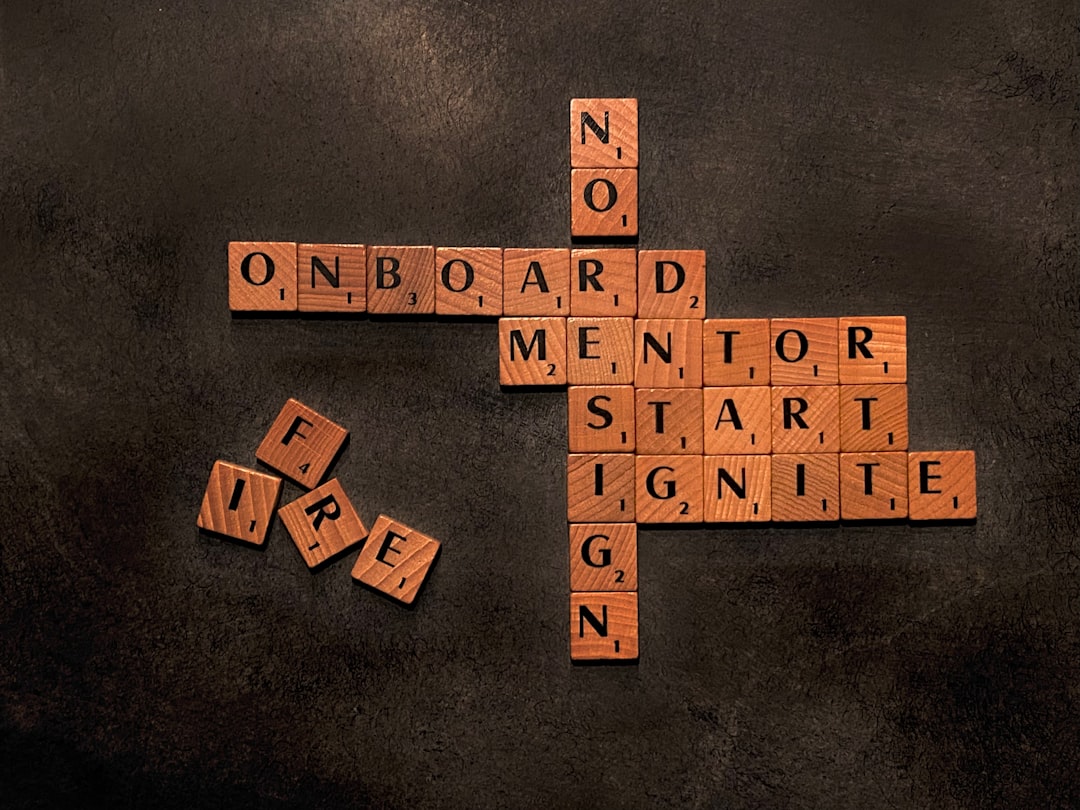
Interview preparation is the cornerstone of career success. Whether you're a recent graduate seeking your first position or an experienced professional aiming for an executive role, proper preparation can make the difference between success and disappointment. In this comprehensive guide, we'll explore ten essential strategies that will transform your interview performance and help you stand out from the competition.
1. Research the Company Thoroughly
Understanding the organization you're interviewing with is fundamental to success. Go beyond the company website and explore recent news articles, press releases, and industry reports. Familiarize yourself with the company's mission, values, products, services, and recent achievements. This knowledge allows you to tailor your responses and demonstrate genuine interest in the organization.
Pay special attention to the company culture and work environment. Review employee testimonials and look for insights about the team dynamics. Understanding what the organization values in its employees helps you position yourself as an ideal cultural fit.
2. Understand the Job Description Inside and Out
The job description is your roadmap to interview success. Analyze every requirement and responsibility listed, identifying how your skills and experiences align with each one. Create a document matching each job requirement with specific examples from your background that demonstrate your qualifications.
Identify keywords and phrases in the job description, as these often reflect the interviewer's priorities. Incorporate these terms naturally into your responses to show alignment with the role's expectations.
3. Prepare Your STAR Stories
The STAR method (Situation, Task, Action, Result) is a powerful framework for answering behavioral interview questions. Prepare at least eight to ten STAR stories that showcase different skills and accomplishments. These stories should cover various competencies such as leadership, problem-solving, teamwork, conflict resolution, and adaptability.
Each story should be concise yet detailed enough to paint a clear picture. Focus on quantifiable results whenever possible, as numbers provide concrete evidence of your impact. Practice delivering these stories until they feel natural and conversational.
4. Develop Thoughtful Questions
Preparing insightful questions for the interviewer demonstrates your genuine interest and strategic thinking. Avoid questions about salary, benefits, or time off during initial interviews. Instead, focus on questions about team dynamics, success metrics, challenges facing the department, and opportunities for growth.
Prepare questions at multiple levels based on who you'll be meeting. Questions for a potential peer might focus on day-to-day responsibilities, while questions for senior leadership could address strategic direction and company vision.
5. Practice Your Elevator Pitch
Your elevator pitch is your professional summary delivered in 60 to 90 seconds. It should highlight your background, key strengths, and what makes you uniquely qualified for the position. This pitch typically comes into play when answering the common "Tell me about yourself" question.
Structure your pitch chronologically or thematically, ensuring it flows naturally and concludes with why you're excited about this particular opportunity. Practice until you can deliver it confidently without sounding rehearsed.
6. Master Your Body Language
Non-verbal communication speaks volumes in interviews. Practice maintaining good posture, making appropriate eye contact, and using natural hand gestures. Your body language should convey confidence, engagement, and professionalism.
In virtual interviews, body language remains crucial. Position your camera at eye level, ensure good lighting, and maintain eye contact by looking at the camera rather than the screen. Minimize distracting movements and create a professional background environment.
7. Conduct Mock Interviews
Practice interviews with friends, mentors, or professional coaches provide invaluable experience. These rehearsals help you refine your responses, manage nervousness, and receive constructive feedback. Record your practice sessions to identify areas for improvement in your delivery, tone, and body language.
Consider practicing with people unfamiliar with your background, as they'll provide perspective similar to an actual interviewer. Their questions and feedback will help you clarify your communication and identify gaps in your preparation.
8. Prepare Your Materials
Organization demonstrates professionalism. Prepare multiple copies of your resume, a list of references, and a portfolio of relevant work samples if applicable. Bring a professional notebook and pen for taking notes during the interview.
Create a folder or document with key information you might need to reference, including dates of employment, specific project details, and accomplishment metrics. Having this information readily available ensures accuracy and confidence in your responses.
9. Plan Your Logistics
Eliminate unnecessary stress by planning every logistical detail in advance. For in-person interviews, research the location, plan your route, and identify parking options. Aim to arrive 10 to 15 minutes early, allowing time for unexpected delays.
For virtual interviews, test your technology well in advance. Verify your internet connection, audio, and video quality. Have a backup plan such as a phone number to call if technical difficulties arise. Close unnecessary applications and silence notifications to prevent interruptions.
10. Manage Your Mindset
Mental preparation is as important as practical preparation. Develop strategies to manage interview anxiety, such as deep breathing exercises, positive visualization, or mindfulness techniques. Remind yourself of your qualifications and past successes to build confidence.
Reframe the interview as a conversation rather than an interrogation. View it as an opportunity to learn about the organization while sharing your value. This perspective shift reduces pressure and helps you engage more authentically.
Final Thoughts
Interview preparation is an investment in your career success. By implementing these ten strategies, you'll approach interviews with confidence, clarity, and compelling evidence of your qualifications. Remember that preparation doesn't guarantee perfection but it significantly increases your chances of success.
Each interview is also a learning opportunity. Regardless of the outcome, reflect on what went well and what you can improve for next time. With consistent preparation and continuous refinement of your approach, you'll master the interview process and achieve your career goals.
Ready to Excel in Your Next Interview?
Our interview coaching program provides personalized guidance to help you prepare effectively and perform confidently.
Schedule a Consultation